Naples Unit Coverage
Condo Insurance in Naples, FL
We help you sort out unit coverage clearly.
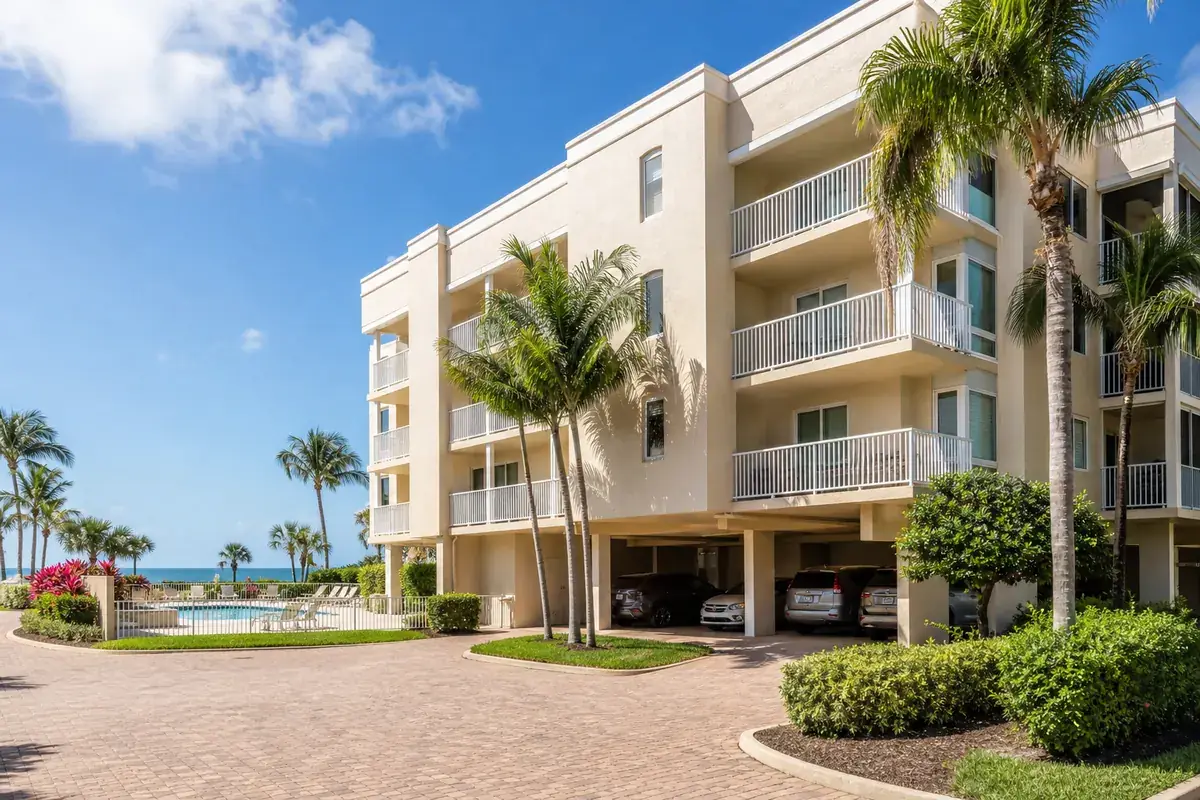
What Condo Insurance Covers
Many condo owners think the association policy covers everything inside the unit. Usually, it does not. A condo policy is often where your own protection starts, especially for items inside your walls, upgrades you paid for and liability claims that may follow you. In Naples, that question matters because condos range from older garden-style communities to newer high-rises near the Gulf, and each setup can shift where the master policy stops. We help you sort through that split so you can see what belongs to the association and what may belong on your own policy.
Another common mix-up is thinking condo insurance is the same as homeowners insurance for a house. It is different. A unit-owner policy, often called HO-6, works alongside the association master policy instead of replacing it. That means your review needs to start with your condo documents, your lender requirements if you have a mortgage and how you actually use the unit. A seasonal home near Fifth Avenue South may need a different discussion than a unit lived in year round or rented out part of the year. We keep that conversation simple and specific.
Condo Insurance Across Collier County and Nearby
- Naples, FL
- North Naples, FL
- East Naples, FL
- Golden Gate, FL
- Golden Gate Estates, FL
- Lely Resort, FL
- Marco Island, FL
- Bonita Springs, FL
- Estero, FL
- Pelican Bay, FL
- Vineyards, FL
- Naples Park, FL
- Vanderbilt Beach, FL
- Pine Ridge, FL
- Orangetree, FL
- Isles of Capri, FL
- Goodland, FL
- Ave Maria, FL
- Immokalee, FL
- Naples Manor, FL
- Verona Walk, FL

How the Coverage Split Works
The first goal is to find the line between the association's policy and your own HO-6 policy. That line is not always obvious from a quick glance at the declaration page. In Naples, where weather, water and seasonal use can change risk, the details matter.
Association master policy
The association master policy often covers the building structure and common areas, but the exact scope can vary by community documents. Some associations insure more of the unit than others. Some stop at bare walls. Before you assume anything about cabinets, flooring, fixtures or built-in features, it helps to read the bylaws and insurance summary. We can help you line up that information with the coverage on your own policy.
Walls-in unit coverage
Your HO-6 policy is generally the place for what the master policy leaves to you inside the unit. That may include interior walls, flooring, cabinets, countertops, appliances and other parts of the space you use every day. If you bought a unit and remodeled it, those changes often deserve special attention. In Naples, upgraded interiors are common, and a standard starting point may not match the finish level in your condo.
Personal property
Furniture, clothing, electronics, kitchen items and other belongings are usually handled under your unit-owner policy, not the association policy. That matters for full-time residents, seasonal owners and anyone furnishing a second home. If your condo sits empty for stretches or is used by guests, the conversation may change. We help you think through what is in the unit, what would be hard to replace and whether the policy setup matches your use.
Liability and guest injuries
Condo insurance may also include personal liability coverage if someone claims you caused injury or property damage. That can matter inside the unit and sometimes in situations that start away from home. If a water leak from your unit damages another unit, or a guest is hurt while visiting, your policy may be part of the response depending on the facts. Because liability questions can get fact-specific, it helps to review these situations before a claim happens.
Loss assessment and shared claims
Loss assessment coverage is often overlooked, yet it can be important in condo communities. If the association has a covered loss and charges unit owners part of a deductible or another shared amount, this part of the policy may help, depending on the policy terms and the event. In larger Naples communities, where many units share roofs, exterior walls and amenities, this is worth a careful look rather than an afterthought.
Loss of use and temporary living costs
If a covered claim makes the condo unlivable, your policy may help with extra living expenses for a temporary place to stay, subject to the policy terms. This can matter after storm damage, a major water loss or a fire inside the unit. For seasonal owners, the details still matter even if you are not in the condo all year. The right way to review this is to match the coverage to how and when you use the unit.
Flood, hurricanes and rented units
A common mistake is assuming every water problem falls under the condo policy. Flood is generally separate. The HO-6 policy may cover certain water losses, while flooding from rising water is usually addressed by a separate flood policy. Deductibles for wind or hurricane claims also deserve close review. If the unit is rented out, even part of the year, that may change how the policy should be written. High-rise and garden-style buildings can raise different questions about wind, water and vacancy.
Why Choose Us for Condo Insurance?
Patient, Clear Guidance
Condo insurance can feel hard to read because your policy and the association policy overlap. We slow it down, explain the terms in plain language and focus on the practical question you care about, which is what may fall on you if something goes wrong inside your unit.
Built for Naples
Naples has seasonal occupancy, waterfront exposure, high-rise buildings, garden-style communities and summer flooding on lower roads. A unit near the Naples Pier may raise different concerns than a condo farther east off Immokalee Rd or Collier Blvd. We keep the discussion tied to local living patterns.
Licensed Follow Up
We provide information and guidance first, then a licensed agent follows up to discuss options and answer coverage questions. That gives you a clearer starting point before you make decisions about limits, deductibles, flood protection or how to insure a unit that is occupied seasonally or rented out.
How to Review Your Coverage
Gather Your Documents
Start with your current condo policy, the association insurance summary, bylaws and any lender requirements. If you made upgrades inside the unit, bring a list of those too. This gives the review a clear baseline.
Mark the Split
Next, identify what the association appears to insure and what may fall to you. We look at building items, unit interiors, improvements, liability questions and any shared assessment exposure that should be addressed.
Check Weather Gaps
After that, review wind deductibles, water damage wording and whether flood needs separate protection. In Naples, storm questions should be answered before hurricane season and before summer flooding turns a small uncertainty into a big problem.
Match Actual Use
The policy should fit the way the condo is really used. A year-round residence, a seasonal place near the Gulf beaches and a unit rented out part time may each call for a different approach and different questions.
Review with an Agent
Once the facts are organized, a licensed agent follows up to discuss options, limits and deductibles. That makes it easier to compare choices without guessing what the policy language is trying to say.
Where to Check Florida Rules
For official Florida vehicle and registration insurance rules, check the Florida Department of Highway Safety and Motor Vehicles. For broader consumer insurance information and help with policy questions or complaints, the Florida Department of Financial Services consumer helpline is a useful source. Condo coverage itself often turns on your association documents and your policy language, so official state sources are a good starting point, but they do not replace a careful review of your unit-owner policy and master policy summary.

What Affects Condo Insurance Cost
Many owners ask for a simple price range, but condo insurance is built around the unit, the building and how the property is used. In Naples, the premium may change based on whether the condo is occupied year round, used seasonally or rented out. It can also shift with the amount of interior coverage you need, the value of personal property, your chosen deductible, liability limits and whether flood coverage is added separately. A high-rise unit and a garden-style unit may not be viewed the same way.
The details of the building can move the premium up or down too. Insurers may look at the association's master policy setup, the age and condition of the building, prior claims, security features, the floor level, distance from water and how exposed the unit may be to wind or water. Interior upgrades can matter if you have custom flooring, cabinets or built-ins. Vacancy or long gaps between visits may also affect the policy approach. We help you review these factors so the quote reflects the way the unit is actually used.
Condo Insurance Questions We Hear
Do I need condo insurance if my association already has insurance?
Usually, yes. The association policy often protects the building and common areas, but it may leave the inside of your unit, your belongings, your liability and certain shared assessments to you. The exact split depends on your condo documents and the master policy. That is why an HO-6 review usually starts with what the association insures and where your responsibility begins.
What does walls-in coverage mean for a Naples condo?
Walls-in coverage generally refers to the parts of the unit that are your responsibility inside the building shell. That may include flooring, cabinets, countertops, fixtures, appliances and improvements you made after purchase. Some associations insure more than others, so walls-in is a concept, not a one-size-fits-all answer. Your bylaws and master policy summary help define where that line sits.
Is flood included in condo insurance?
Usually not. Flood is generally handled by a separate policy. That matters in Naples because heavy rain, storm surge and low roads can all lead owners to assume any water loss is covered the same way. It often is not. A good review separates water losses covered by the HO-6 policy from flooding that would typically need separate protection.
How does condo insurance work if I only live there part of the year?
Seasonal occupancy can affect how a condo policy should be set up. If the unit is empty for long stretches, the insurer may look closely at vacancy, water damage prevention and who checks the property while you are away. Coverage for personal property, loss of use and liability still matters, but the policy should reflect how often the unit is occupied and whether guests or renters use it.
Do I need a different policy if I rent my condo out?
Possibly. If you rent out the unit, even part of the year, the policy often needs to reflect that use. Owner-occupied, seasonal and tenant-occupied condos can be treated differently. Liability, personal property and loss of rental income issues may come into play depending on the setup. It is best to mention any rental use upfront so the policy can be reviewed for that exposure.
Contact Us Today for a Free Estimate
Ready to review condo insurance for your Naples vehicle or property? Tell us what you have and we will follow up.
Free, no obligation.